If 1842 was the year the fences went up, then Uncle Bullum (John Allen), born eight years later in 1850, belonged to the generation that had to navigate the narrow gaps between them.
Uncle Bullum was of the Wangerriburra people, the Pretty-faced Wallaby People, whose Country takes in the heights of Mt Tamborine and the valley of the Albert River.
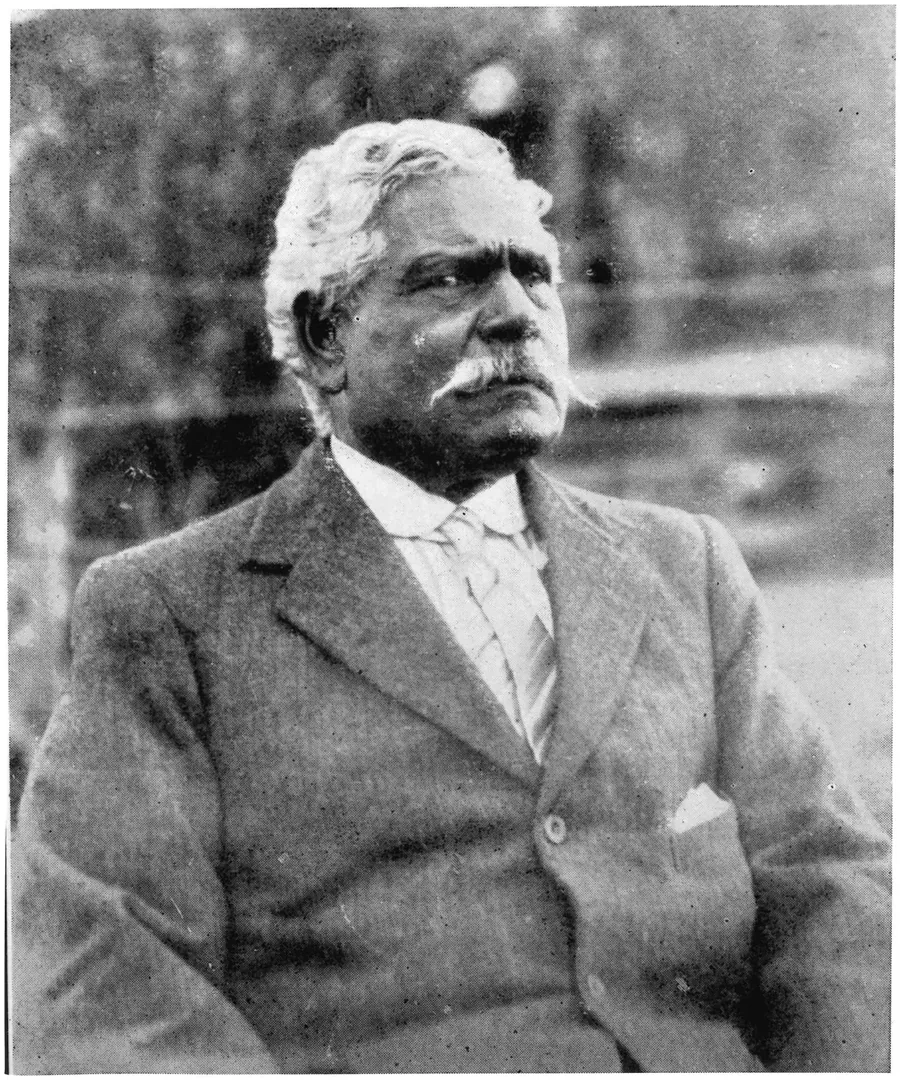
A study in survival
His life is a powerful study in the complexity of survival. Orphaned as a child after attacks by the Native Police, the brutal enforcement arm of the ‘free settlement’ era, he was raised by members of his family. At around 10 he was employed by the Collins family of Mundoolun. By 11 he was already working the stock routes, and he went on to become a legendary drover and explorer.
A gift of language
In 1913, Uncle Bullum performed an act of immense cultural resistance. With John Lane, he compiled a grammar and vocabulary of the Yugambeh language. He also mapped the Yugambeh clans.
The colonial administration of the time often saw such work as recording a ‘dying race’. For us today, it is a foundation stone. Because of Bullum’s dedication to his mother tongue, the Wangerriburra dialect remains etched in the historical record: a gift to every descendant reclaiming their voice today. His words appear throughout our Yugambeh dictionary under the source Allen & Lane.
From mail runner to legend
Bullum was not just a survivor; he was a force of nature.
- The explorer. He accompanied Robert Collins into the West, where Allen’s Hole near Boulia still bears his name. There he met and formed relationships with the Pitta Pitta Nation on the frontier, and had a Pitta Pitta wife and daughter at Boulia.
- The entrepreneur. At one point he was earning £1,000 a year running mail between Boulia and Winton: a remarkable sum for the era, and a sign of his unparalleled skill and reliability.
- The builder. He helped to build the Jimboomba State School, leaving a literal mark on the infrastructure of the region.
Not the ‘last survivor’
Colonial obituaries in 1931 called him the ‘last survivor’ of the Wangerriburra. History told through a Yugambeh lens says otherwise.
He spent his later years at Tamrookum, living among the Williams family. Our Elders born in the 1920s do not remember him as a relic of the past; they remember him as a grandfather figure. They recall with a laugh how, as cheeky children, they would steal his cane, playing at the feet of a man who carried the whole weight of the nineteenth century in his memory.
Uncle Bullum is proof that while the 1842 proclamation sought to open the land by closing a culture, the spirit of the Wangerriburra and the other Yugambeh clans was never contained. He was the bridge.
Still here. Still Wangerriburra. Still Yugambeh.
Adapted from a Yugambeh Nation post of 11 February 2026.